
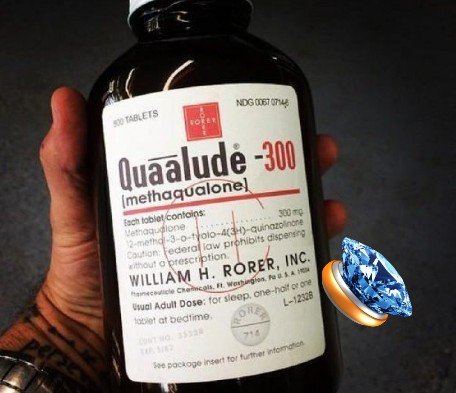
Quaaludes – Methaqualone 300 mg: An In-Depth Exploration
Methaqualone, widely recognized by its brand name Quaaludes, is a central nervous system depressant that was once a go-to solution for insomnia and anxiety. Introduced in the 1960s, this drug quickly gained traction for its remarkable ability to induce deep relaxation and promote sleep. However, the euphoric side effects and the significant potential for addiction led to increasing concerns over its safety, resulting in severe restrictions on its medical use. This article delves into Methaqualone’s history, mechanism of action, effects, risks, and its status today, shedding light on why it remains a topic of discussion in the realm of pharmaceuticals.
The Evolution of Quaaludes
When Methaqualone first appeared in the United States in the late 1960s, it was touted as a safer alternative to barbiturates, drugs notorious for their high overdose risk. Originally marketed as an effective sedative, Quaaludes soon developed a reputation for producing feelings of euphoria. This combination of relaxation and pleasure sparked a surge in recreational use, particularly during the vibrant party scenes of the 1970s, where users affectionately dubbed the drug ludes.
Unfortunately, as prescribing practices became increasingly lax, widespread misuse ensued. Concerns escalated in the early 1980s when addiction and overdose cases surged, prompting the U.S. Drug Enforcement Administration (DEA) to classify Methaqualone as a Schedule I controlled substance. This designation effectively rendered its legal production and distribution illegal, marking a significant turning point in its usage history.
Understanding How Quaaludes Work
Methaqualone’s popularity can be attributed to its interaction with the brain. The drug primarily enhances the action of gamma-aminobutyric acid (GABA), a neurotransmitter known for its inhibitory effects on brain activity. When ingested, Methaqualone binds to GABA receptors, leading to increased drowsiness, reduced anxiety, and muscle relaxation. This mechanism explains the intense feelings of euphoria that many users report, further explaining its recreational allure.
However, while the effects may seem appealing, the risks associated with Methaqualone use are significant and cannot be overlooked.
The Effects and Risks of Methaqualone
The short-term effects of Methaqualone may include:
– Sedation
– Euphoria
– Decreased anxiety
– Muscle relaxation
Yet, the allure of these effects is counterbalanced by serious risks. Overdosing on Methaqualone can lead to severe respiratory depression, potentially resulting in coma or death. The dangers are exacerbated when combined with other depressants like alcohol, amplifying the risk of overdose. Moreover, chronic use can result in physical dependence and addiction, prompting users to seek higher doses to experience the same desirable effects. Withdrawal symptoms can be brutal; they may include anxiety, seizures, and tremors, making cessation extremely challenging.
The Current Status of Quaaludes
Today, Methaqualone is illegal in most countries, including the United States. Its notorious reputation highlights the perils associated with unregulated pharmaceutical use. While there have been discussions about possible therapeutic applications, particularly for anxiety disorders, prevailing medical consensus maintains that the potential risks dramatically outweigh any perceived benefits.
Alternatives to Quaaludes: Safer Sedation Options
For individuals grappling with insomnia or anxiety, there are safer alternatives available. Medications such as benzodiazepines, including Valium or Xanax, are often prescribed for anxiety and sleep disorders. However, these options also come with a risk of dependence. Non-benzodiazepine sleep aids like Zolpidem (Ambien) offer another avenue but should always be utilized with caution and under medical supervision.
It’s crucial for anyone considering these medications to consult with a healthcare professional who can provide tailored advice, ensuring a safe and effective path towards managing anxiety or sleep disturbances.
Conclusion: Reflecting on the Legacy of Quaaludes
Quaaludes, or Methaqualone, serves as a poignant reminder of the complex interplay between pharmacology and societal responsibility. Its rise and eventual fall underscore the necessity for careful prescribing practices, particularly concerning substances with a high potential for misuse. While Methaqualone may no longer be available for legal use, its legacy continues to resonate, urging future generations to prioritize safety over the allure of quick fixes.
If you’re seeking support or guidance, it’s essential to reach out to a healthcare provider who can help navigate the multitude of available treatments, ensuring you find a safe and effective resolution for any challenges you may face. The lessons from Quaaludes are clear: balancing medicine with responsibility is imperative in preserving health and well-being.




Reviews
There are no reviews yet.