
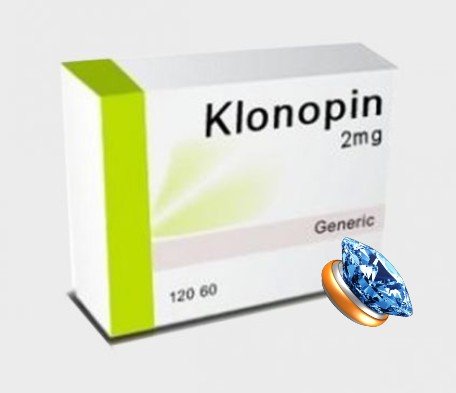
Klonopin: Understanding Its Uses, Benefits, and Risks
Klonopin, known generically as clonazepam, is a medication that has garnered considerable attention for its effectiveness in treating anxiety and seizure disorders. As more individuals seek clarity about its purpose and potential side effects, understanding the nuances of Klonopin becomes crucial for anyone considering it as part of their treatment plan. Let’s delve deeper into what Klonopin is, how it works, its benefits, and the importance of responsible use.
What is Klonopin?
Klonopin belongs to a class of medications called benzodiazepines. These drugs are designed to enhance the effects of a neurotransmitter in the brain known as gamma-aminobutyric acid (GABA). By boosting GABA’s calming effects, Klonopin can provide significant relief from anxiety and seizure activity. Its primary applications include managing panic disorders, generalized anxiety, and certain types of seizures. While it can be a powerful ally in treatment, using Klonopin under a doctor’s supervision is essential to minimize potential risks, dependency, and side effects.
The Benefits of Klonopin for Anxiety
Klonopin is particularly recognized for its anxiolytic (anti-anxiety) properties. Patients often report marked reductions in panic attacks and excessive worry after starting the medication. One of Klonopin’s advantages is its rapid onset of action; many users experience relief within hours of taking it. With a long half-life, the effects can last considerably longer than other medications, making it a strategic option for long-term management of anxiety disorders.
Individuals who haven’t found success with other anti-anxiety treatments often find hope in Klonopin. For those grappling with sudden panic attacks, possessing a medication that works quickly to calm the mind and body can dramatically improve their quality of life.
Understanding Seizures and Klonopin’s Role
In addition to its effectiveness for anxiety, Klonopin plays a pivotal role in treating certain seizure disorders, such as absence seizures and Lennox-Gastaut syndrome. By regulating electrical activity in the brain, Klonopin helps reduce seizure episodes, enabling patients to live more stable and productive lives. Those diagnosed with these specific conditions may discover that Klonopin significantly lowers the frequency and intensity of seizures when other treatments have failed or provided insufficient relief. As part of a comprehensive treatment plan, a physician may recommend Klonopin to optimize outcomes.
The Risks and Side Effects of Klonopin
While the benefits of Klonopin can be substantial, it is imperative to recognize its potential risks. Side effects vary in severity and frequency; some may experience dizziness, drowsiness, confusion, or coordination difficulties. More alarming is the risk of dependency, with withdrawal symptoms potentially occurring if Klonopin is abruptly discontinued after extended use. Like all benzodiazepines, there exists the possibility of misuse, making careful monitoring essential.
To navigate these risks effectively, patients are encouraged to adhere strictly to their doctor’s guidelines, engaging in regular follow-up consultations to evaluate both the medication’s efficacy and any emerging concerns.
How to Use Klonopin Responsibly
To achieve the best results while using Klonopin, open communication with healthcare providers is paramount. Discussing your medical history, current medications, and any substance use can create a comprehensive view that aids in the appropriate prescription of Klonopin’s dosage and treatment format.
It’s crucial to never abruptly stop taking Klonopin without consulting a healthcare provider. Quickly halting this medication can lead to withdrawal symptoms or exacerbate anxiety and seizure conditions. A professionally guided tapering strategy is often the recommended course for anyone needing to discontinue use safely.
Conclusion: Embracing Klonopin with Caution
Klonopin can be an invaluable resource for managing anxiety and seizure disorders, providing much-needed relief for those affected by these challenges. However, a cautious approach is essential. By discussing openly with healthcare professionals and adhering to suggested guidelines, patients can navigate their treatment journey with Klonopin effectively, working towards improved mental and physical well-being.
If you or someone you know is contemplating Klonopin as part of a treatment regimen, it’s crucial to gather thorough information and seek multifaceted support throughout the entire process. Remember, making informed choices is integral to achieving favorable health outcomes.




Reviews
There are no reviews yet.